Multi-Tenant Architecture
Isolation decided deliberately rather than inherited, so one customer can never see another and scale does not force a rewrite.
Services
Multi-tenant products built to survive growth: billing, roles, analytics and an architecture that scales past launch.
The hard parts of a SaaS product are not the features customers talk about. They are tenant isolation, a billing model that survives contact with real pricing, permissions that hold when roles multiply, and knowing what usage actually looks like. Get those wrong early and every later feature is more expensive than the last.
We build those foundations first, because they are the ones you cannot retrofit cheaply. A platform that handles its hundredth customer the same way it handled its first is not an accident of scale; it is a set of decisions taken before launch.
What you get
Isolation decided deliberately rather than inherited, so one customer can never see another and scale does not force a rewrite.
Plans, tiers, trials, upgrades and the awkward cases: proration, failed payments, cancellations that have to stay compliant.
Permissions enforced in the domain layer rather than in the interface, so a new screen cannot accidentally hand out access.
Instrumentation that tells you which accounts are healthy, which are about to churn, and which features justify their maintenance.
How it runs
Four stages, each with something you can see at the end of it. No phase runs longer than the evidence that it is working.
Start a projectThe decisions that are expensive to reverse: what a tenant is, where data lives, how isolation is enforced.
Accounts, roles, billing and the administrative surface your team will live in, built before the features that depend on them.
The things customers actually buy, built on foundations that already hold.
Observability, cost control and a delivery rhythm that continues after launch.
Proof
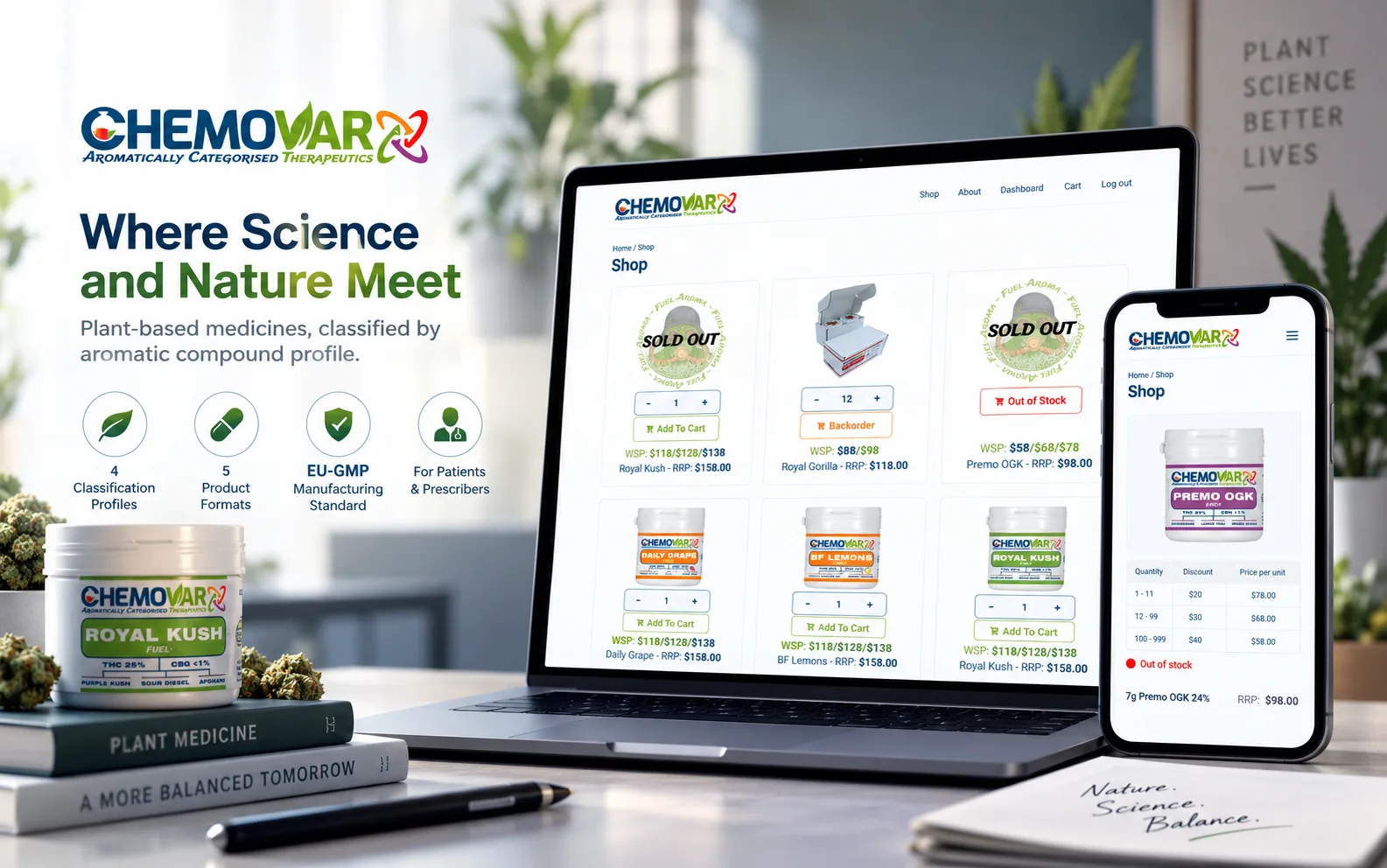
Chemovar supplies prescription plant medicine to Australian dispensing pharmacies, classified by aromatic profile rather than by folk category. We worked on the platform that carries a batch from import permit to patient, with regulatory reporting generated by the order lifecycle itself.

We built both sides of a DACH hiring marketplace: curated, filterable opportunity discovery for international candidates, and a recruiter workspace that turns inbound interest into a tracked pipeline with scheduling, screening tasks and structured candidate intelligence.

Conversional closes the loop between marketing spend and closed revenue for multi-location retailers. We worked on the platform that scores inbound leads, routes appointments across store networks, attributes every call to its source, and reports the whole funnel back to the board.
Questions
It depends on your compliance obligations, customer size and cost profile, and it is one of the few decisions that is genuinely expensive to reverse. We will walk you through the trade-off rather than default to whichever we used last.
Yes. Taking on a platform that has outgrown its original design is a common starting point. We begin with an architecture review so you know what you are carrying before anyone commits to a plan.
Whichever suits your market and compliance position. We have integrated card and bank transfer flows, regional methods such as iDEAL, and subscription billing with the proration and dunning cases handled.
Also from us
Let's build what's next
Share your idea, explore what is possible, and get a straight answer on scope, cost and timeline. No pitch deck required.